
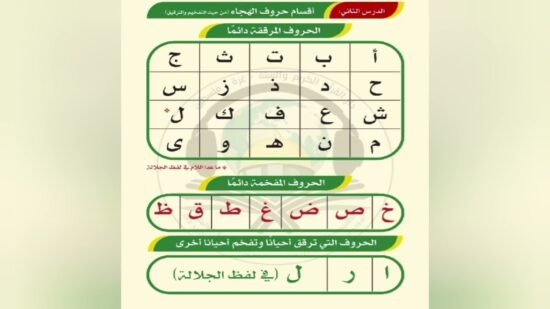
To Understand Tafkheem and Tarqeeq or Heavy and Light Letters you should know “what is the meaning of Tajweed?”Tajweed is the art of reciting the Quran with precision and beauty, is a sacred endeavor for Muslims. It ensures that the words of Allah (SWT) are pronounced correctly, preserving their divine essence. Within the realm of Tajweed, we encounter the fascinating concepts of Tafkheem(heaviness) and Tarqeeq (lightness). These principles govern the pronunciation of specific letters, adding depth and melody to our recitation.
Table of Contents
This video shows How to pronounce Tafkheem and Tarqeeq
Understanding Tafkheem and Tarqeeq
1. Tafkheem (Heavy Letters)
Tafkheem refers to the heaviness in the body of certain letters. When pronounced, these letters resonate, filling the mouth with echo. Imagine the sound of a distant drum—a powerful vibration that lingers. The letters of Tafkheem are also known as the letters of Isti’laa, signifying their upward movement. As we utter these letters, our tongues elevate, creating a space between the bottom and the soft palate of the mouth. This elevation allows the reverberation and weightiness to manifest.
Examples of Tafkheem Letters:
- Taa (ط): “وَأَن لَّوِ اسْتَقَامُوا عَلَى الطَّرِيقَةِ لَأَسْقَيْنَاهُم مَّاءً غَدَقًا” (Quran 72:16)
- Daad (ض): “وَأَقْرِضُوا اللَّهَ قَرْ ضً ا حَسَنًا” (Quran 73:20)
- Saad (ص): “وَيُقِيمُونَ ا لصَّ لاةَ” (Quran 2:3)
- Dhaa (ظ): “وَإِنَّ لِلَّذِينَ ظَلَمُوا عَذَابًا دُونَ ذَلِكَ” (Quran 52:47)
- Qaaf (ق): “إنَّ اللَّه عَلَى كُلِّ شَيْءٍ قَ دِيرٌ” (Quran 2:20)
- Ghayn (غ): “صِرَاطَ الَّذِينَ أَنْعَمْتَ عَلَيْهِمْ غَيْرِ الْمَ غْ ضُوبِ عَلَيْهِمْ” (Quran 1:7)
- Khaa (خ): “خَ الِدِينَ فِيهَا أُوْلَئِكَ هُمْ شَرُّ الْبَرِيَّةِ” (Quran 98:6).
Start your journey with the Online Quran Classes for Kids, where young learners connect with their faith through beautiful recitation.
2. Tarqeeq (Light Letters)
Tarqeeq, on the other hand, deals with the softness of certain letters. These letters are delicate, gliding off the tongue with subtlety. Unlike Tafkheem, Tarqeeq involves less emphasis and weight. When we articulate these letters, we create a softer sound, akin to a gentle breeze rustling through leaves.
Here is a short, SEO‑friendly paragraph you can use in an article or landing page:
How to Pronounce Heavy and Light Letters in Tajweed
- To pronounce heavy letters (Tafkheem) in Tajweed, you make the sound deep and full by slightly raising the back of the tongue toward the roof of the mouth, so the letter seems to “fill” your mouth. This applies to the seven emphatic letters: خ، ص، ض، غ، ط، ق، ظ, which should always sound strong and bold in Quran recitation.
- In contrast, light letters (Tarqeeq) are pronounced with a thin, soft, and clear sound while the tongue stays relaxed and low, keeping the voice at the front of the mouth. Most Arabic letters are light, but some, like ر and the ل in “Allah”, can be heavy or light depending on the vowel and position, so mastering Tafkheem and Tarqeeq is essential for accurate and beautiful Quran recitation.
Conclusion
Mastering Tafkheem and Tarqeeq is essential for every sincere reciter of theQuran. As we delve into these intricacies, we honor the divine revelation and connect with the timeless wisdom it holds. Let us embrace the beauty of Tajweed, allowing our voices to echo the sacred verses with reverence and love.
Read more about