
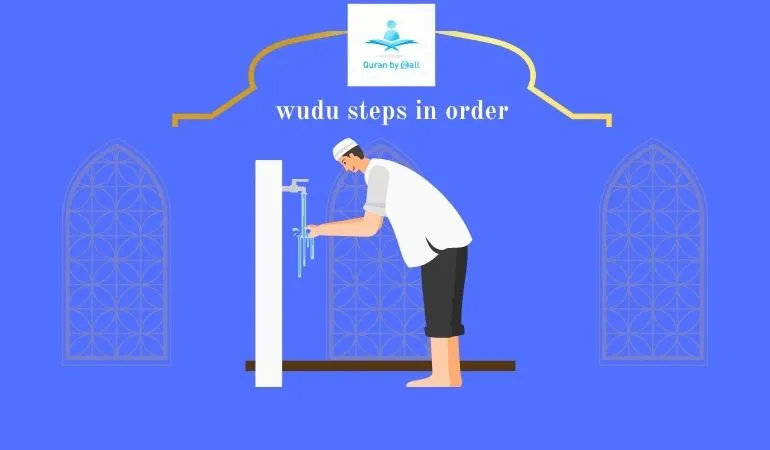
Performing wudu is an essential act of purification in Islam. Every Muslim must know the correct Ablution or wudu steps in order to ensure their prayer is valid. This guide explains each step clearly, highlights the meaning of ablution, and provides helpful resources for learning Quran and Islamic studies online.
Table of Contents
What Is Ablution (Wudu) and Why It Matters
Ablution, referred to as wudu, is a necessary ritual purification that must be observed prior to engaging in salah. It represents both physical and spiritual cleanliness. Familiarity with the sequential steps of wudu guarantees that your worship is conducted accurately and with complete mindfulness.
Why Is Wudu Essential in Islam?
1. A Requirement for Prayer
Salah (the five daily prayers) is not valid without wudu. Allah commands believers in the Quran to purify themselves before prayer, making ablution a mandatory act of worship.
2. Symbol of Spiritual Purity
Wudu represents cleansing the soul from sins and distractions. Each step of ablution is believed to wash away minor sins committed by that limb.
3. Preparation for Worship
Performing wudu helps Muslims shift from daily activities into a state of focus, humility, and presence with Allah. It prepares the heart for sincere worship.
4. A Habit of Cleanliness
Islam places great importance on hygiene. Wudu encourages Muslims to maintain regular cleanliness throughout the day.
5. A Source of Blessings
The Prophet (peace be upon him) taught that those who perform wudu properly will shine with radiant limbs on the Day of Judgment, a sign of their devotion.
How Wudu Connects the Body and Soul
Wudu is more than washing; it is a spiritual reset. Each step washing the hands, rinsing the mouth, wiping the head reminds the believer to purify their actions, words, thoughts, and intentions. It creates a moment of calm and reflection before standing in prayer.
Wudu Steps in Order: The Essential Guide for Every Muslim
Below are the steps for performing wudu, presented in the correct sequence as per authentic Islamic teachings:
1. Make the Intention (Niyyah)
Commence with a genuine intention in your heart to carry out ablution for the sake of Allah.
2. Say Bismillah
Initiate by reciting “Bismillah” prior to starting the physical actions.
3. Wash the Hands
Thoroughly wash both hands up to the wrists three times. This constitutes the first physical action in the sequence of wudu steps.
4. Rinse the Mouth
Rinse your mouth three times, ensuring that water reaches all areas.
5. Clean the Nose
Gently inhale water into the nose and expel it three times.
6. Wash the Face
Cleanse the entire face from the forehead to the chin and from ear to ear three times.
7. Wash the Arms
Wash the right arm up to the elbows three times, followed by the left arm.
8. Wipe the Head (Masah)
Wipe the entire head once, moving your hands from the front to the back.
9. Wipe the Ears
Wipe both the inside and outside of each ear once.
10. Wash the Feet
Wash the right foot up to the ankles three times, followed by the left foot.
These are the complete steps for wudu in order, ensuring that your ablution is both valid and complete.
Learn Wudu and Quran Properly with QuranByCall
If you want to learn wudu, Quran recitation, tajweed, or Islamic studies with certified teachers, QuranByCall offers live one‑on‑one classes for all ages.
Why QuranByCall?
- Native Arab Quran teachers
- Flexible schedules
- Affordable monthly plans
- Classes for kids and adults
- Free trial available
Start learning today: at Quranbycall.com academy, and Visit our YouTube Channel.
The Core Foundations Every Muslim Should Master for a Valid Wudu
To ensure that wudu (ablution) is accepted, Muslims must follow a set of essential principles rooted in the Quran and Sunnah. These foundations guarantee that purification is performed correctly and with full mindfulness before standing in prayer.
1. Purity of Water
Wudu must be performed using clean, pure water that is free from impurities. Natural sources such as tap water, rainwater, and well water are all valid.
2. Performing the Steps in the Correct Sequence
Each step of wudu must follow the proper order: washing the hands, rinsing the mouth, cleaning the nose, washing the face, washing the arms, wiping the head, wiping the ears, and washing the feet.
3. Ensuring Complete Washing of Each Limb
Every required area must be washed thoroughly. Even a small dry spot like between the fingers or around the heels can invalidate the wudu.
4. Proper Wiping of the Head
Wiping the head (masah) is obligatory. At least a portion of the head must be wiped for the wudu to be valid.
5. Continuous Flow Without Long Interruptions
The steps should be performed consecutively, without unnecessary pauses that break the flow of purification.
6. Intention from the Heart
The intention to perform wudu for worship must be present internally, even though it is not verbally pronounced.
Avoid These Overlooked Mistakes That Can Invalidate Your Wudu
Many people unknowingly make errors during wudu that affect its validity. Recognizing these mistakes helps ensure proper purification.
1. Leaving Parts of the Body Unwashed
Missing areas such as the elbows, heels, or edges of the face is a common issue.
2. Using Excessive Water
The Prophet Muhammad (peace be upon him) used very little water. Overuse is discouraged and goes against the Sunnah.
3. Rushing Through the Process
Performing wudu too quickly may lead to incomplete washing.
4. Changing the Order of the Steps
Skipping or rearranging the steps can invalidate the wudu.
5. Wiping Only Part of the Head
Some people wipe only the front portion, but the Sunnah is to wipe the entire head once.
6. Talking Unnecessarily
Although not forbidden, talking during wudu reduces focus and spiritual presence.
Everyday Actions That Do NOT Break Your Wudu
Many Muslims believe wudu breaks easily, but several common actions do not invalidate it.
1. Touching People
Touching your spouse, children, or others does not break wudu.
2. Light Sleep While Sitting
If a person dozes off while seated without losing body control, their wudu remains valid.
3. Bleeding or Minor Injuries
Most scholars agree that bleeding from the body does not break wudu.
4. Vomiting
Vomiting does not invalidate wudu according to the strongest scholarly opinion.
5. Laughing Outside Prayer
Laughing during daily activities does not affect wudu.
6. Eating or Drinking
Food and drink do not break wudu, except camel meat according to some scholars.
When Water Is Not Available: Your Complete Guide to Tayammum (Dry Ablution)
Tayammum is a merciful alternative to wudu, allowing Muslims to purify themselves when water is unavailable or harmful to use.
1. Lack of Water
If water cannot be found after reasonable effort, tayammum becomes permissible.
2. Illness or Medical Conditions
If using water may worsen an illness or delay healing, tayammum is allowed.
3. Water Needed for Survival
If water is scarce and needed for drinking, tayammum may replace wudu.
4. Danger in Accessing Water
If reaching water involves risk such as unsafe terrain or threats—tayammum is valid.
How to Perform Tayammum
Tayammum is simple and symbolic:
- Make the intention for purification.
- Touch clean earth, sand, or dust.
- Wipe the face.
- Wipe the hands up to the wrists.
This completes the dry ablution.
Frequently Asked Questions About Wudu Steps in Order
1. What breaks wudu?
Using the bathroom, deep sleep, passing gas, or losing consciousness breaks wudu.
2. Can I perform salah without ablution?
No. Salah is not valid without completing the wudu steps in order.
3. Is wiping over socks allowed?
Yes, under specific conditions such as wearing them after a valid wudu.
4. How long does wudu last?
Wudu remains valid until something that breaks it occurs.
5. Can I learn wudu online?
Yes. QuranByCall offers online Islamic classes that include learning ablution and prayer.