
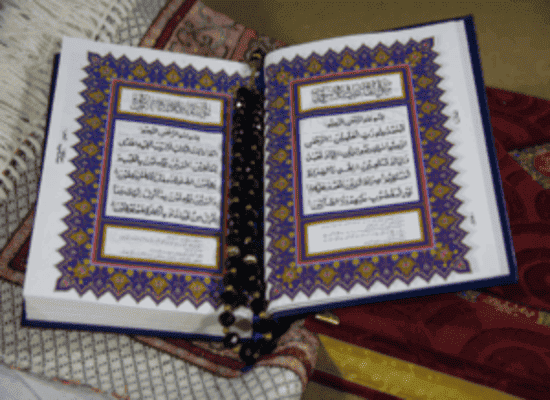
Surah Al‑Fatiha is one of the most recited passages in the Quran, yet many readers overlook the depth behind its words. Exploring the tafseer of Surah Al‑Fatiha is not just about understanding the literal meaning; it is about uncovering the spiritual message that shapes the foundation of Islamic faith. This chapter is short, but its impact is profound, guiding believers in every prayer and reminding them of the relationship between the Creator and His creation.
Table of Contents
The Essence Behind the Translation of Surah Al‑Fatiha
When people search for the translation of Surah Al‑Fatiha, they often expect a simple word‑for‑word explanation. But this surah carries layers of meaning that go far beyond a basic translation. It opens with praise, moves into acknowledgment of divine authority, and ends with a heartfelt supplication for guidance.
The general translation conveys:
- Praise belongs to Allah alone
- He is the Most Merciful
- He is the Master of the Day of Judgment
- Worship and reliance belong solely to Him
- Humanity is in constant need of His guidance
Even in English, the surah maintains a powerful tone that reflects humility, devotion, and hope.
Why the Tafseer of Surah Al‑Fatiha Matters
While translation provides clarity, the tafseer of Surah Al‑Fatiha offers context. Tafseer explains why certain words were chosen, how they relate to other verses, and what scholars throughout history have understood from them. Without tafseer, the surah may feel simple; with tafseer, it becomes a complete roadmap for spiritual life.
For example:
- “The Most Merciful, the Especially Merciful” highlights two different forms of divine mercy.
- “Guide us to the straight path” is not just a request for direction, but a plea for consistency, stability, and protection from misguidance.
- “Those who earned Your anger” and “those who went astray” refer to historical examples that help believers avoid repeating past mistakes.
Tafseer transforms the surah from a short recitation into a lifelong lesson.
A Closer Look at Key Themes
1. Praise and Gratitude
The surah begins by teaching believers how to praise their Lord. It sets the tone for every prayer, reminding worshippers to approach Allah with gratitude before asking for anything.
2. Mercy as a Central Attribute
The repetition of divine mercy emphasizes that Allah’s compassion surrounds every aspect of life. This theme appears in both the translation of Surah Al‑Fatiha and its tafseer.
3. Accountability
Mentioning the Day of Judgment encourages mindfulness. It reminds believers that actions have consequences and that justice is ultimately in Allah’s hands.
4. Worship and Dependence
The phrase “You alone we worship, and You alone we ask for help” captures the essence of Islamic monotheism. It is both a declaration of faith and a commitment to spiritual discipline.
5. Guidance
The final verse is a universal prayer. Every human being, regardless of background, needs guidance. The tafseer of Surah Al‑Fatiha explains that this guidance includes knowledge, sincerity, and the ability to act upon the truth.
Tafseer of Surah Al‑Fatiha:
Surah Al-Fatiha, also known as “The Opening,” holds profound significance in Islam. It is the first chapter of the Quran and is recited in every unit of the Muslim prayer (Salah).
The Surah emphasizes the oneness of Allah, His mercy, and our dependence on Him. Let’s explore its verses:
- Verse 1: “In the name of Allah, the Gracious, the Merciful.”
- This opening phrase signifies seeking Allah’s guidance and blessings before any action.
- Verse 2: “Praise be to Allah, Lord of the Worlds.”
- Acknowledges Allah as the Lord of all creation and expresses gratitude.
- Verse 3: “The Most Gracious, the Most Merciful.”
- Highlights Allah’s compassion and mercy toward His creatures.
- Verse 4: “Master of the Day of Judgment.”
Reminds us of the accountability we’ll face on Judgment Day.
Verses 5-7: “It is You we worship, and upon You we call for help. Guide us to the straight path. The path of those You have blessed, not of those against whom there is anger, nor of those who are misguided.”
A please for guidance, seeking the righteous path and avoiding deviation.
If you want a clearer understanding of the translation of Surah Al‑Fatiha and the deeper insights found in the tafseer of Surah Al‑Fatiha, you can learn directly with qualified Quran teachers through personalized online lessons at Quran By Call
You can also access free recitation and tafseer content on their YouTube channel
Why Surah Al‑Fatiha Is Called “The Opening”
The surah is named “Al‑Fatiha” because it opens the Quran and opens every unit of prayer. It is the believer’s introduction to the message of Islam. Through its translation and tafseer, we see that it summarizes the core themes of the Quran: faith, worship, mercy, accountability, and guidance.
How Understanding the Translation and Tafseer Enhances Recitation
Many people recite Surah Al‑Fatiha daily without fully absorbing its meaning. When you understand the translation of Surah Al‑Fatiha, your prayer becomes more heartfelt. When you study the tafseer of Surah Al‑Fatiha, your connection deepens even further.
You begin to:
- Recite with intention
- Reflect on each verse
- Feel the weight of the supplication
- Recognize the beauty of the structure
- Appreciate the wisdom behind every word
This is why scholars encourage Muslims to revisit the tafseer regularly, even if they already know the surah by heart.
Spiritual Benefits of Surah Al-Fatiha:
- Connection with Allah:
- Reciting Al-Fatiha keeps Muslims connect with Allah, showing gratitude and seeking His mercy and guidance
- Protection from Evil:
- This Surah offers protection from the evil eye black magic, and negative influences.
- Spiritual Healing:
- Al-Fatiha has a calming effect on the mind and soul, alleviating anxiety and stress.
- Increased Focus in Prayer:
- Reciting it at the beginning of prayer improves focus and prepares the mind for worship.
- Forgiveness of Sins:
- Sincere recitation can lead to forgiveness and the erasure of past sins.
- Inner Peace:
- Reciting it enhances inner peace, tranquility, and closeness to Allah.
- Heart Calming:
- Al-Fatiha calms the heart and focuses the mind.
- Overall Blessings:
- Regular recitation brings blessings and benefits to the reciter.
Remember, Surah Al-Fatiha is a powerful chapter that connects believers with Allah and offers numerous spiritual advantages. If you have any further questions or need additional information, feel free to ask!