
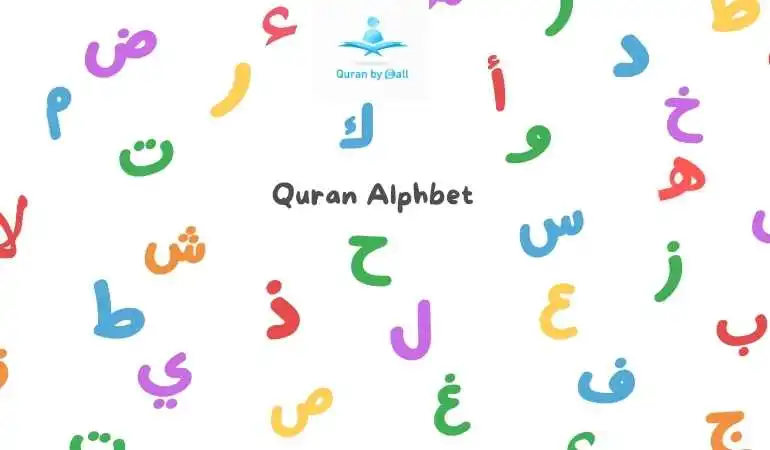
The quran alphabet is the foundation of reading, reciting, and understanding the Holy Quran. Whether you are a beginner or looking to refine your tajweed, mastering the quranic alphabet is the first essential step. This comprehensive guide walks you through pronunciation, articulation, rules, and practical tips to help you learn effectively.
Table of Contents
Understanding the Arabic Alphabet in the Quran Alphabet
The quran alphabet consists of the same Arabic letters used in the Arabic language, but with a special focus on pronunciation and articulation for Quranic recitation. Each letter has a unique sound, shape, and position within a word.
To begin learning, explore the basics at Arabic course
Al Quran Alphabet Pronunciation
Correct pronunciation is crucial when learning the quranic alphabet. Each letter has a specific sound that must be articulated from the correct point in the mouth or throat. Mispronouncing a single letter can change the meaning of a word entirely.
Learn pronunciation with expert teachers at: Quran classes
Importance of Learning the Quran Alphabet in Tajweed
Tajweed rules are built upon Al quran alphabet. Without mastering the alphabet, applying tajweed becomes difficult. Proper recitation preserves the meaning, beauty, and accuracy of the Quran. Tajweed ensures that every letter is recited with its rights and characteristics.
How Many Letters in the Quran Alphabet?
The quran alphabet contains 29 letters. Although Arabic has 28 primary letters, the hamzah is considered a separate letter in Quranic studies, bringing the total to 29.
How to Pronounce Quranic Alphabet Correctly
To pronounce the quran alphabet correctly, learners must focus on:
- Makhraj (articulation points)
- Sifat (characteristics of letters)
- Harakat (short vowels)
- Madd (elongation rules)
Professional guidance helps ensure accuracy from the beginning.
Letters with Similar Sounds
Some letters in the quran alphabet sound similar but differ in articulation, such as:
- س and ص
- د and ض
- ه and ح
- ط and ت
Understanding these differences is essential for proper recitation.
Harakat (Short Vowels) in the Quranic Alphabet
Harakat are short vowel marks placed above or below letters. They guide pronunciation and include:
- Fatha
- Kasra
- Damma
- Sukoon
These marks transform the quran alphabet into readable and recitable words.
Long Vowels in Quran Recitation
Long vowels, known as madd, extend the sound of a letter. They are represented by:
- Alif
- Waw
- Ya
Mastering long vowels is key to reading the quranic alphabet fluently.
Makhraj – Points of Articulation
Each letter of the quranic alphabet originates from a specific point in the mouth, throat, or lips. Understanding makhraj ensures clarity and prevents mistakes. Examples include:
- Throat letters: ء ه ع ح غ خ
- Tongue letters: ت د ط ل ن ر
- Lip letters: ب م و
Joining Rules of Quran Alphabet
Arabic letters change shape depending on their position in a word. The quran alphabet includes:
- Initial form
- Medial form
- Final form
- Isolated form
Learning how letters connect is essential for reading Quranic text smoothly.
Quran Alphabet in Practice
Once learners understand the basics, they begin reading simple words, then short verses, and eventually full surahs. Practicing the quranic alphabet daily builds confidence and fluency.
Examples of Alphabet Uses in the Quran
Examples include:
- ب in بسم الله
- ن in نور
- ق in قل هو الله أحد
These examples show how the quranic alphabet forms meaningful Quranic words.
Common Mistakes When Learning Quran Alphabet
Beginners often struggle with:
- Confusing similar letters
- Incorrect makhraj
- Ignoring harakat
- Rushing through lessons
- Lack of consistent practice
Avoiding these mistakes ensures steady progress.
Tips and Resources to Master Quran Alphabet
To master the quran alphabet, follow these tips:
- Practice daily
- Learn with a qualified teacher
- Use audio recordings
- Start slow and build gradually
- Review previous lessons regularly
For structured learning, visit:
https://quranbycall.com/quran-for-kids/
If you want to learn the quran alphabet with expert guidance, QuranByCall.com offers personalized one‑on‑one online classes for all ages. Their certified teachers help students master pronunciation, tajweed, and fluency through interactive lessons. Whether you are a beginner or seeking advanced recitation skills, QuranByCall provides flexible schedules, affordable plans, and a proven learning system.
You can also follow YouTube channel for free lessons:
https://www.youtube.com/@quranbycall
Frequently Asked Questions (FAQ)
1. What is the Quran alphabet?
It is the set of Arabic letters used to read and recite the Holy Quran.
2. How many letters are in the Quranic alphabet?
There are 29 letters.
3. Is learning the Quran alphabet difficult?
With proper guidance and practice, it becomes easy and enjoyable.
4. Do I need a teacher to learn Al Quran alphabet?
A teacher ensures correct pronunciation and prevents mistakes.
5. How long does it take to learn the Quranic alphabet?
Most learners master it within a few weeks with consistent practice.